How Tall Should You Cut Your Grass in Northern Virginia?
A simple guide to the right mowing height for a healthier lawn.
How Tall Should You Cut Your Grass in Northern Virginia?
One of the fastest ways to improve a lawn in Northern Virginia is also one of the simplest: cut it a little higher. Most homeowners mow too short, which stresses the grass, invites weeds, and dries out the soil. Getting your mowing height right is free, and it makes a bigger difference than almost any product you can buy.
The Right Height for Cool-Season Grass
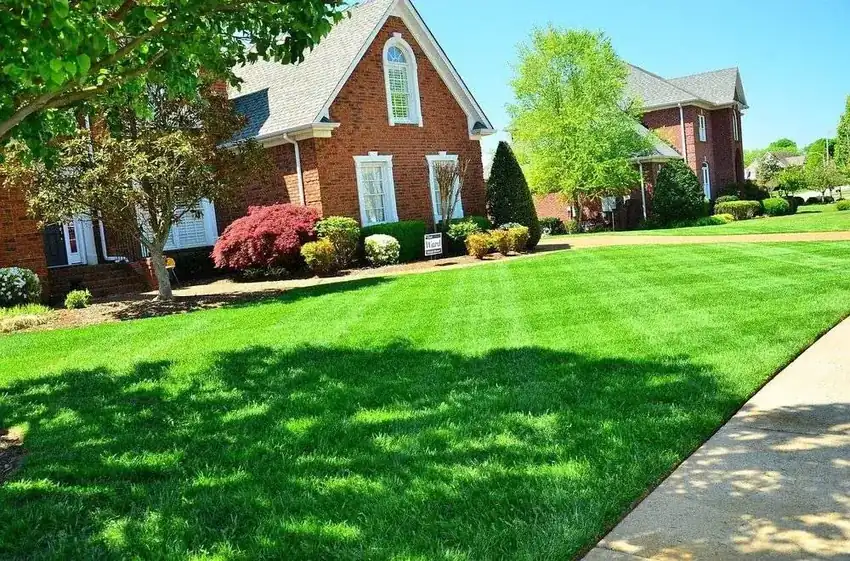
Most Northern Virginia lawns are cool-season blends, usually tall fescue or a fescue and bluegrass mix. These grasses do best when kept between three and four inches tall. Taller blades shade the soil, hold moisture longer, and grow deeper roots, which means a lawn that stays greener through hot, dry stretches in July and August.
Follow the One-Third Rule
Never remove more than one-third of the grass blade in a single mow. If your lawn is five inches tall, cut it back to about three and a half, not down to two. Scalping the lawn shocks the plant, exposes the soil to weed seeds, and leaves clippings thick enough to smother what is left. During peak spring growth that may mean mowing every five to seven days.
Adjust with the Seasons
- Spring: mow regularly as growth takes off, keeping blades around three inches.
- Summer: raise the deck to the top of the range, closer to four inches, to protect roots from heat.
- Fall: keep mowing until growth slows, then lower the final cut slightly before winter.
Sharp mower blades matter too. A dull blade tears the grass instead of slicing it, leaving ragged brown tips that invite disease. Sharpen or replace blades at least once a season.
Consistent mowing is part of a bigger routine that keeps a yard healthy. If you would rather hand it off, our lawn maintenance crews handle regular mowing and edging on a schedule that fits your property.
Grasscycling: Leave the Clippings
One of the easiest ways to feed a lawn for free is to leave your clippings on it. When you mow at the right height and frequency, the short clippings break down within days and return nitrogen and moisture to the soil, cutting your fertilizer needs by up to a quarter. This only works when you are not removing too much at once, which is another reason the one-third rule matters. If clippings clump or form visible rows, you waited too long between mows or the grass was wet.
Mowing Patterns and Wet Grass
Change your mowing direction each time you cut. Mowing the same path every week presses the grass down the same way and compacts wheel tracks into ruts. Alternating between horizontal, vertical, and diagonal passes helps blades stand upright and grow more evenly. Avoid mowing wet grass whenever possible: it tears rather than cuts, clogs the deck, spreads disease, and leaves an uneven finish. If you must mow after rain, raise the deck a notch and slow down. A little patience here protects both your lawn and your equipment across a long Northern Virginia growing season.
Sharpen, and Know Your Grass
Two small habits separate an okay lawn from a great one. First, keep the mower blade sharp; a clean cut heals fast, while a torn one browns at the tips and invites disease. Sharpen or swap the blade at least once a season, more if you hit rocks or roots. Second, know which grass you have, because warm-season types behave differently from the fescue blends common here. When in doubt, a quick soil test and a look at your existing turf tell you what you are working with so your mowing height and schedule actually fit your lawn.
Want a hand from a local crew? 66 Landscaping serves Northern Virginia with free, no-pressure estimates. Call or text (703) 568-9644 or request an estimate online.

Ready to Get Started?
Free, no-pressure estimates across Northern Virginia.
Call (703) 568-9644 Request Estimate