Paver Patio Vs. Concrete Patio: Which Should You Choose?
Weighing pavers against poured concrete for your backyard.
Paver Patio Vs. Concrete Patio: Which Should You Choose?
A new patio is one of the best investments you can make in your outdoor space, but the first decision is the material. Pavers and poured concrete are the two most popular choices in Northern Virginia, and each has real advantages depending on your budget and goals.
Concrete Patios
Poured concrete is usually the lower upfront cost and goes in quickly. With stamping and coloring it can imitate brick, slate, or stone at a friendlier price. The trade-off is repairs: our freeze-thaw winters can crack a slab over time, and a crack is hard to fix invisibly. When a concrete patio ages, it is often resurfaced or replaced rather than patched.
Paver Patios
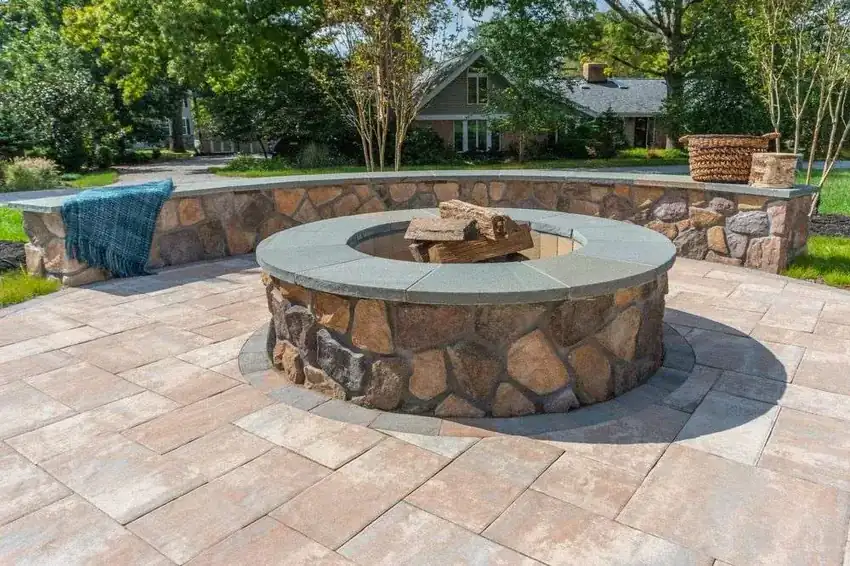
Pavers cost more to install because the work is labor intensive, but they shine on flexibility and repairs. Because they sit on a compacted base and flex slightly, they resist cracking. If a single paver stains or settles, you lift and reset just that piece. Pavers also offer the widest range of shapes, colors, and patterns.
How to Decide
- Choose concrete if upfront budget is the priority and you like a clean, seamless look.
- Choose pavers if you want the most design options and the easiest long-term repairs.
- Consider stamped concrete for a middle ground: a decorative finish at a concrete price.
Either way, the base preparation underneath is what determines how long a patio lasts. Our crews build patios and pour concrete with proper sub-base work so the surface holds up for years.
The Base Is What Really Lasts
Whichever surface you choose, the work you cannot see decides how long it lasts. A patio built on poorly compacted soil or a thin base will heave, settle, and crack no matter how good the top layer looks on day one. A proper installation means excavating to the right depth, adding and compacting a gravel base in layers, and building in the correct slope so water drains away from your home. Cutting corners on base preparation is the single most common reason a patio fails early.
Drainage and Long-Term Care
Plan for water before the first stone goes down. A patio should slope slightly away from the house, and low spots should be graded so puddles do not form. Pavers handle drainage well because water can move through the joints, while a solid concrete slab needs a deliberate slope. For upkeep, concrete benefits from periodic sealing, and paver joints may need occasional sand replacement and the odd weed pulled. Both are low-maintenance compared with wood decking, which is part of why hardscape patios are such a popular upgrade across Northern Virginia.
Resale and Curb Appeal
A well-built patio is one of the higher-return outdoor upgrades because it adds usable living space rather than just decoration. Both pavers and stamped concrete photograph well and read as a finished, intentional yard to buyers. Pavers tend to carry a premium perception, while stamped concrete delivers a high-end look at a friendlier price. Either way, matching the patio’s style and color to your home and existing hardscape makes the whole property feel cohesive, which matters both for daily enjoyment and for resale.
Want a hand from a local crew? 66 Landscaping serves Northern Virginia with free, no-pressure estimates. Call or text (703) 568-9644 or request an estimate online.
Ready to Get Started?
Free, no-pressure estimates across Northern Virginia.
Call (703) 568-9644 Request Estimate