Stamped Concrete: Patterns, Costs, and Care
The look of stone and brick at a friendlier price.
Stamped Concrete: Patterns, Costs, and Care
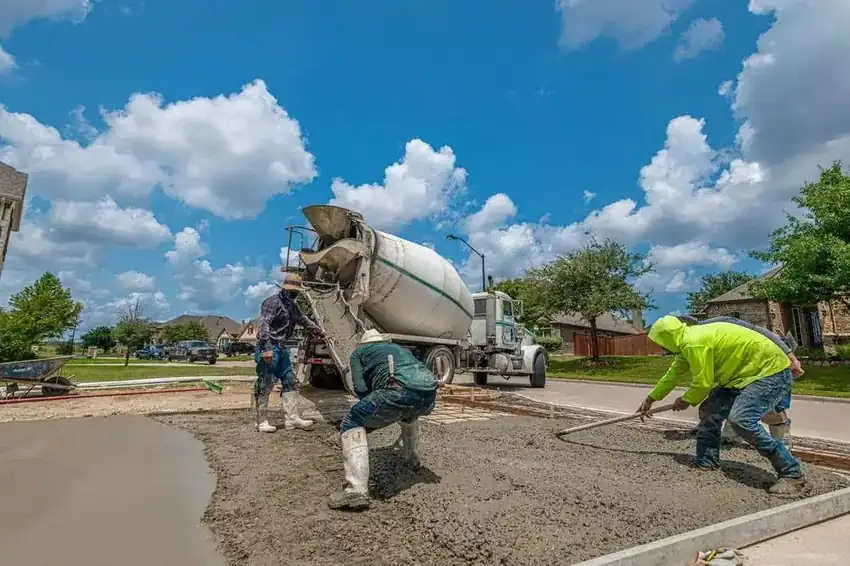
Stamped concrete gives you the look of brick, slate, or natural stone at a fraction of the cost, in one poured, durable surface. It is a favorite for patios, walkways, and driveways across Northern Virginia. Here is what to know before you commit.
Popular Patterns and Colors
Stamps can mimic cobblestone, slate, wood plank, brick, and flagstone, and color is added right into the mix and on the surface. Blending a base color with a darker accent gives depth that reads like real stone from a few feet away.
What Drives the Cost
- Square footage and site prep.
- Number of colors and pattern complexity.
- Whether it replaces an existing slab that must be removed.
Stamped concrete usually costs more than plain concrete but less than natural stone or pavers, which is exactly why it is so popular.
Caring for It
The single most important step is resealing every two to three years. Sealer protects the color, repels stains, and helps the surface stand up to our freeze-thaw winters. Beyond that, occasional rinsing and prompt cleanup of spills keeps it looking new. Our concrete maintenance team can handle sealing for you.
Ready to upgrade a patio or driveway? See our stamped concrete and full concrete services across Northern Virginia.
Where Stamped Concrete Works Best
Stamped concrete shines on large, continuous surfaces like patios, pool decks, walkways, and driveways, where its poured, seamless nature is an advantage and the per-square-foot cost stays reasonable. It can be poured in curves and custom shapes that would be tedious with individual pavers. It is less ideal where you expect to dig or access utilities under the surface, since a slab must be cut and patched rather than lifted and reset. Knowing how you will use and access the space helps decide whether a stamped slab or a paver surface fits better.
Cracks, Sealing, and Longevity
Every concrete surface can develop hairline cracks as it cures and as the ground moves through freeze-thaw cycles; control joints are placed to guide where those cracks go so they stay unobtrusive. The single most important maintenance step is resealing every two to three years, which protects the color, resists stains and de-icing salts, and slows surface wear. Avoid metal snow shovels and harsh ice-melt on stamped surfaces, and rinse off spills promptly. Cared for this way, a quality stamped concrete surface can look great for decades and costs far less than natural stone to install.
Getting an Accurate Quote
Because cost depends on size, pattern complexity, color count, and site conditions, the only reliable number comes from an on-site look. Removing an old slab, poor access, or a sloped or soft base all affect the price, as does whether you want one color or a layered, multi-tone finish. A good contractor will measure, talk through pattern and color options, explain the sealing schedule, and give you a clear written estimate with no surprises. Seeing samples in person also helps, since stamped concrete reads differently at full scale than it does in a small photo.
Want a hand from a local crew? 66 Landscaping serves Northern Virginia with free, no-pressure estimates. Call or text (703) 568-9644 or request an estimate online.
Ready to Get Started?
Free, no-pressure estimates across Northern Virginia.
Call (703) 568-9644 Request Estimate