How to Fix Poor Drainage in Your Yard
Solving standing water, soggy spots, and runoff for good.
How to Fix Poor Drainage in Your Yard
Standing water is more than an eyesore. It drowns grass, breeds mosquitoes, and can send moisture toward your foundation. Northern Virginia’s clay soil holds water stubbornly, so drainage problems are common. The good news is that most are fixable.
Find Out Where the Water Goes
Start by watching your yard during a hard rain. Note where water pools, which direction it flows, and whether it heads toward the house. That map tells you whether the fix is grading, a drain, or both.
Regrade for Positive Slope
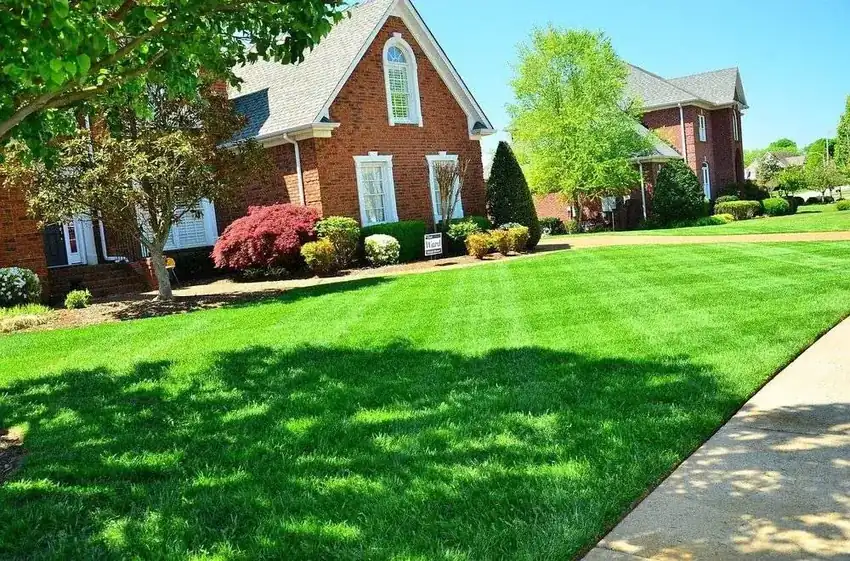
The ground should slope away from your foundation, dropping a few inches over the first several feet. Re-grading low spots so water runs away from the house solves many problems on its own.
Add Drainage Where Needed
- French drains carry subsurface water away from soggy areas.
- Downspout extensions move roof water well past the foundation.
- Dry creek beds and swales channel runoff attractively across a yard.
Control Erosion on Slopes
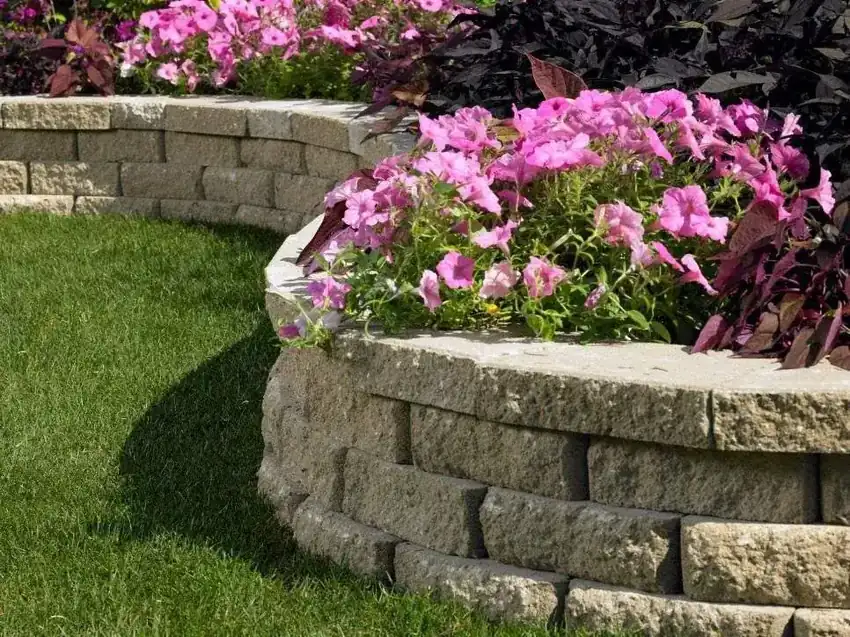
Where water moves fast down a grade, it strips soil. Retaining walls, terracing, and ground-cover plantings slow it down and hold soil in place. Our erosion control and retaining wall work often go hand in hand with drainage fixes.
Drainage is rarely one single fix, so it helps to have someone read the whole yard. Our landscaping crews diagnose and solve wet-yard problems across Northern Virginia.
Match the Fix to the Problem
Drainage solutions are not one-size-fits-all. Surface water that sheets across the yard usually calls for regrading or a shallow swale. Water that sits and slowly disappears points to compacted or clay-heavy soil that may benefit from a French drain or amended planting beds. Water pooling right against the foundation is most often a downspout and grading issue you can fix relatively cheaply. Reading where the water comes from and where it wants to go is what separates a fix that lasts from one that just moves the problem a few feet away.
Working with Northern Virginia Clay
Much of Northern Virginia sits on heavy clay soil that drains slowly and holds water after storms. You cannot change the soil under an entire yard, but you can work with it: raised or bermed planting beds, gravel and pipe to carry water to a better outlet, rain gardens planted with water-tolerant species, and dry creek beds that channel runoff attractively. The goal is to give water a clear, deliberate path off your property instead of letting it collect against the house or drown the lawn. A crew that knows the local soil can design the right combination for your grade.
Don’t Send Water to Your Neighbor
One important caution: fixing your drainage should never simply dump water onto an adjacent property, which can cause disputes and, in some cases, violate local rules. Good solutions carry water to an appropriate outlet, a street, storm drain, rain garden, or dry well, rather than just pushing the problem next door. Grading, pipe routing, and outlet placement all need to account for where water legally and safely belongs. This is another reason a thought-out plan beats a quick fix; a proper design solves your problem without creating one for someone else.
Want a hand from a local crew? 66 Landscaping serves Northern Virginia with free, no-pressure estimates. Call or text (703) 568-9644 or request an estimate online.
Ready to Get Started?
Free, no-pressure estimates across Northern Virginia.
Call (703) 568-9644 Request Estimate