Why Summer Is the Best Time to Plan a Fall Hardscape Project
October 8, 2026
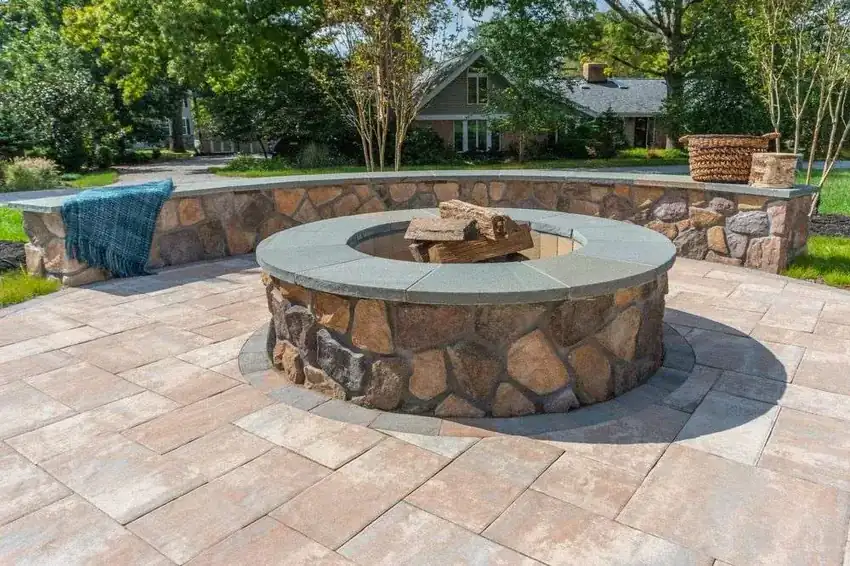
If a new patio, fire pit, or retaining wall is on your list, summer is the time to start the conversation, even if you want the project built in fall. It sounds backward, but most of the real work on a hardscape project happens before anyone breaks ground: design, approvals, utility marking, and material orders. Starting that process in June or July is what puts you on the schedule for September and October. The best hardscape crews book out weeks in advance, and early planning means you get the design, materials, and dates you want rather than whatever is left.
Why Fall Is a Great Season to Build
Fall is one of the best times of year for hardscape work in Northern Virginia. Cooler temperatures are easier on crews and materials. Concrete cures more evenly when it is not baking in 95°F heat, and polymeric sand in paver joints sets up well in mild, dry weather. The ground is usually firm and workable after summer, without the saturated clay we often fight in early spring.
Timing works in your favor too. A project finished in October gets a winter to settle, and you walk out to a finished patio on the first warm weekend of spring instead of spending April and May with a torn-up backyard. The catch is that the window is limited. Once overnight lows start dipping toward freezing in late fall, concrete pours get riskier and many sealers cannot be applied, so projects need to wrap up before then.
What Happens Between the First Call and the First Shovel
Homeowners are often surprised by how many steps come before construction. A typical sequence looks like this:
- Site visit and design. We walk the property, measure, look at grades and drainage, and talk about how you actually want to use the space. A good layout accounts for doors, sun, views, and where water goes when it rains.
- Material selection. Pavers, natural stone, and stamped concrete all look and wear differently. Seeing samples in person matters, and some colors and styles have lead times.
- HOA approval. Many planned communities in Northern Virginia require architectural review before you add a patio, wall, or fire feature. Review committees often meet on a set schedule, and an incomplete application can push you back a full cycle.
- Permits. Larger hardscape work, especially taller retaining walls or anything that changes grading or ties into the house, may need a county permit. Requirements vary by county, so we check them for your specific project.
- Utility marking. Before any digging, underground lines have to be marked through Virginia 811 (Miss Utility), and those marks need to be in place before excavation starts.
Each of these steps takes time, and some depend on others. That is why a project discussed in August often cannot start until well into fall, and a project first mentioned in October may end up waiting until spring.
Choosing Between Pavers, Concrete, and Stone
Summer planning gives you time to make this decision without pressure. Interlocking paver patios handle our freeze and thaw cycles well because individual units can flex slightly and be reset if needed. Stamped concrete gives you a continuous surface with plenty of pattern and color options, and it needs periodic sealing to hold up. Natural stone has a look nothing else matches, at a higher material cost. We wrote a full comparison of paver vs. concrete patios if you want to dig into the details.
Retaining Walls Need the Most Lead Time
If your project includes a retaining wall, start even earlier. Walls on sloped Northern Virginia lots are holding back heavy clay that gets heavier when it is wet, so drainage stone, a perforated pipe behind the wall, and a properly compacted base are not optional. Taller walls may require engineered plans before a permit is issued, and that design work adds weeks. Planning in summer keeps a wall project from colliding with the end of the building season.
Early Planning Protects Your Budget
Rushed projects tend to cost more. Last-minute material orders limit your choices to what is in stock, and squeezing a job in before the weather turns leaves little room to compare options. When you plan ahead, you get a clear written estimate, time to think through add-ons like seat walls, steps, or a fire pit, and room to decide what fits the budget now and what can wait for a later phase.
Planning for that later phase pays off. Running a gas line or electrical conduit under the patio before the pavers go down, for example, saves tearing up a finished surface down the road. If you are even considering a hardscape upgrade, a summer consultation puts you first in line for a fall installation.
66 Landscaping serves Northern Virginia with free, no-pressure estimates. Call or text (703) 568-9644 this summer to get your fall hardscape project on the calendar. You can also request an estimate online.
More From the Blog
Snow and Ice: What to Expect from a Reliable Removal Service
Northern Virginia winters are hard to predict. Some years bring one or two big storms. Others bring mostly ice, sleet,…
Curb Appeal Upgrades That Pay Off Before You Sell
If selling your home is on the horizon, the yard is the first thing buyers see. Most buyers start their…
Preparing Your Irrigation and Hardscape for Winter
A little work before the first hard freeze protects the money you have put into your yard. In Northern Virginia,…
Ready to Get Started?
Free, no-pressure estimates across Northern Virginia.
Call (703) 568-9644 Request Estimate