How Much Mulch Do You Need? A Simple Guide
Getting the depth and quantity right for healthy beds.
How Much Mulch Do You Need? A Simple Guide
Mulch is one of the cheapest, highest-impact things you can add to a landscape. It locks in moisture, suppresses weeds, feeds the soil as it breaks down, and makes beds look finished. The trick is using the right amount.
Aim for Two to Three Inches
For most beds, two to three inches of mulch is the sweet spot. Less than that and weeds push through and moisture escapes. More than that and you risk suffocating roots and creating a soggy layer that pests love. Around trees, keep mulch a few inches away from the trunk. Piling it against the bark, the so-called mulch volcano, invites rot and disease.
Estimating Quantity
Mulch is sold by the cubic yard, and one cubic yard covers about 100 square feet at three inches deep. To estimate: measure the square footage of your beds, then divide by 100 for a rough number of yards at three inches. A typical front-yard bed set often needs two to four yards.
Applying It Well
- Pull existing weeds and edge the beds first for clean lines.
- Spread evenly and fluff, rather than dumping it in piles.
- Refresh color and depth once a year rather than adding a thick new layer every time.
Fresh mulching and crisp edging transform a yard in an afternoon. If you would rather skip the hauling and spreading, our landscaping crews handle it.
Choosing the Right Mulch
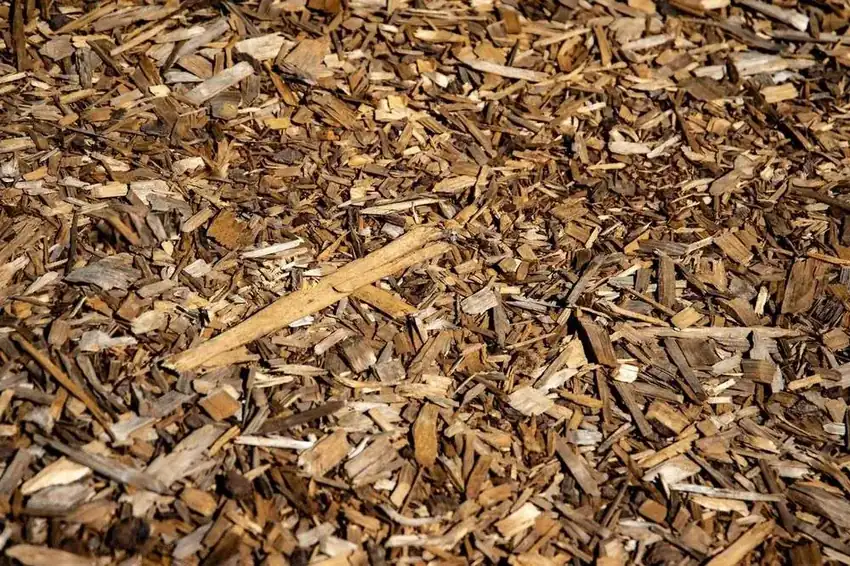
Not all mulch is equal. Shredded hardwood is the workhorse for Northern Virginia beds: it knits together, stays put on slopes, and breaks down into good soil over time. Pine bark and nuggets last longer but float in heavy rain. Dyed mulches hold color longer but add little to the soil. Avoid piling fresh, uncomposted wood chips directly against tender plants, as they can temporarily pull nitrogen from the soil as they break down. For most homeowners, a quality double-shredded hardwood refreshed once a year is the best balance of looks, cost, and soil benefit.
Timing and Common Mistakes
Late spring, after the soil has warmed and you have pulled the first flush of weeds, is the ideal time to mulch. Mulching too early can trap cold and slow plants down. The biggest mistakes we see are over-mulching, which suffocates roots, and the dreaded mulch volcano piled against tree trunks, which invites rot, pests, and girdling roots. Keep mulch two to three inches deep, pulled back from trunks and stems, and refresh the top rather than burying last year’s layer deeper and deeper each season.
Quick Reference by Bed Size
As a fast estimate: one cubic yard of mulch covers about 100 square feet at three inches deep, or roughly 160 square feet at two inches. Measure the length times width of each bed, add them up, and divide by 100 for a rough number of yards at three inches. A small front-yard bed set often needs two to three yards; a fuller landscape can need five or more. Buying in bulk by the yard is far cheaper than bagged for anything beyond a tiny bed, and a crew can deliver and spread it in a fraction of the time.
Want a hand from a local crew? 66 Landscaping serves Northern Virginia with free, no-pressure estimates. Call or text (703) 568-9644 or request an estimate online.

Ready to Get Started?
Free, no-pressure estimates across Northern Virginia.
Call (703) 568-9644 Request Estimate