Do You Need a Retaining Wall? Signs to Watch For
How to tell when a slope needs real structural support.
Do You Need a Retaining Wall? Signs to Watch For
Retaining walls do quiet, important work: they hold back soil, control water, and turn unusable slopes into flat, usable space. Many Northern Virginia properties have grades that would benefit from one. Here are the signs to watch for.
Erosion and Washouts
If heavy rain carves channels in your yard or washes mulch and soil downhill, gravity and water are winning. A wall paired with proper drainage stops the loss of soil and protects everything downhill from it.
A Slope You Cannot Use
A steep bank is hard to mow, plant, or enjoy. A retaining wall can terrace that slope into level areas for a patio, garden bed, or lawn, adding usable square footage to your property.
Water Pooling Near the Foundation
When a hillside sends runoff toward your house, it can threaten the foundation. A well-designed wall redirects that water and relieves pressure on the structure.
Sinking, Cracking, or Bulging
- An existing wall that leans, bulges, or cracks is failing and needs attention before it collapses.
- Settling soil or sinking sections of yard often point to a drainage or grading problem a wall can solve.
The key to a wall that lasts is engineering and drainage behind it, not just the blocks you see. We handle retaining wall installation, erosion control, and full retaining wall projects across Northern Virginia.
Drainage Is Half the Wall
The most common reason a retaining wall fails is water, not weight. Soil behind a wall holds rainwater, and that water adds enormous pressure over time. A properly built wall includes drainage behind it: gravel backfill, filter fabric, and a perforated pipe that carries water away. A wall built without this hidden drainage may look fine for a season or two, then begin to lean, crack, or bulge as pressure builds. When you evaluate an existing wall, weep holes or a visible drain outlet are good signs it was built correctly.
When You Need an Engineer or Permit
Short decorative walls are often a straightforward build, but height changes everything. Many Northern Virginia jurisdictions require an engineered design and a permit once a wall passes a certain height, typically around four feet, or when it supports a driveway, structure, or slope above it. Building a tall wall without the right design and reinforcement is both unsafe and a liability if it fails. A professional can tell you quickly whether your project is a simple garden wall or a structural one that needs engineering, and handle the permitting either way.
Function and Looks Together
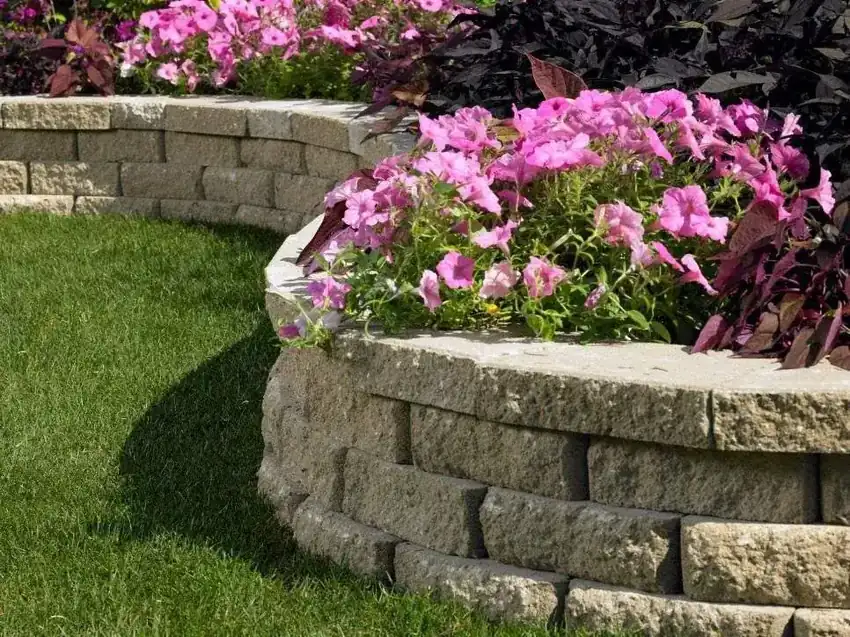
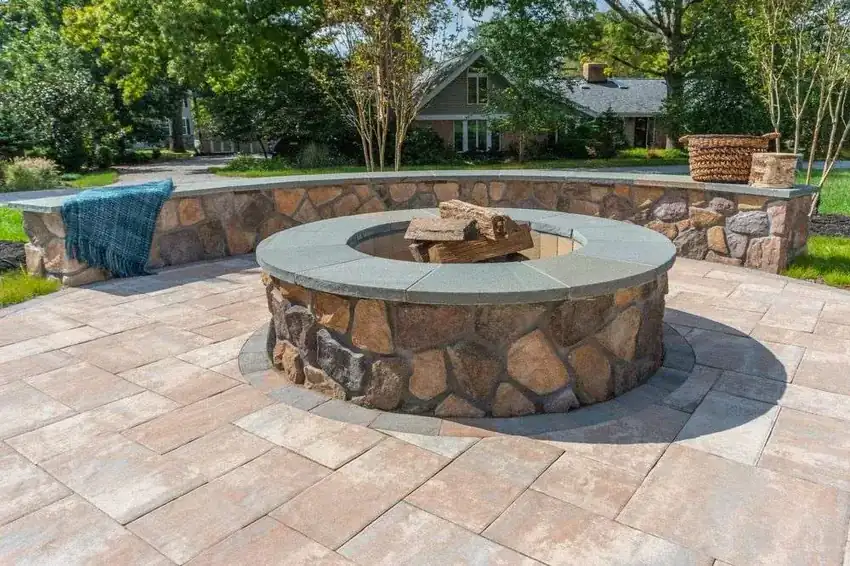
Beyond holding back soil, a well-placed wall reshapes how you use a yard. Terracing a steep bank creates flat, plantable space; a low seat wall doubles as extra seating around a patio; and stacked stone or block adds texture and structure that softens with plantings over time. Modern segmental block, natural stone, and poured options come in many colors and finishes, so a wall can be purely structural or a design feature in its own right. The best projects solve a real drainage or grade problem while making the space more attractive and usable.
Want a hand from a local crew? 66 Landscaping serves Northern Virginia with free, no-pressure estimates. Call or text (703) 568-9644 or request an estimate online.
Ready to Get Started?
Free, no-pressure estimates across Northern Virginia.
Call (703) 568-9644 Request Estimate